Expansion Tank
How to Tell if Your Water Heater Needs an Expansion Tank in Forney, TX
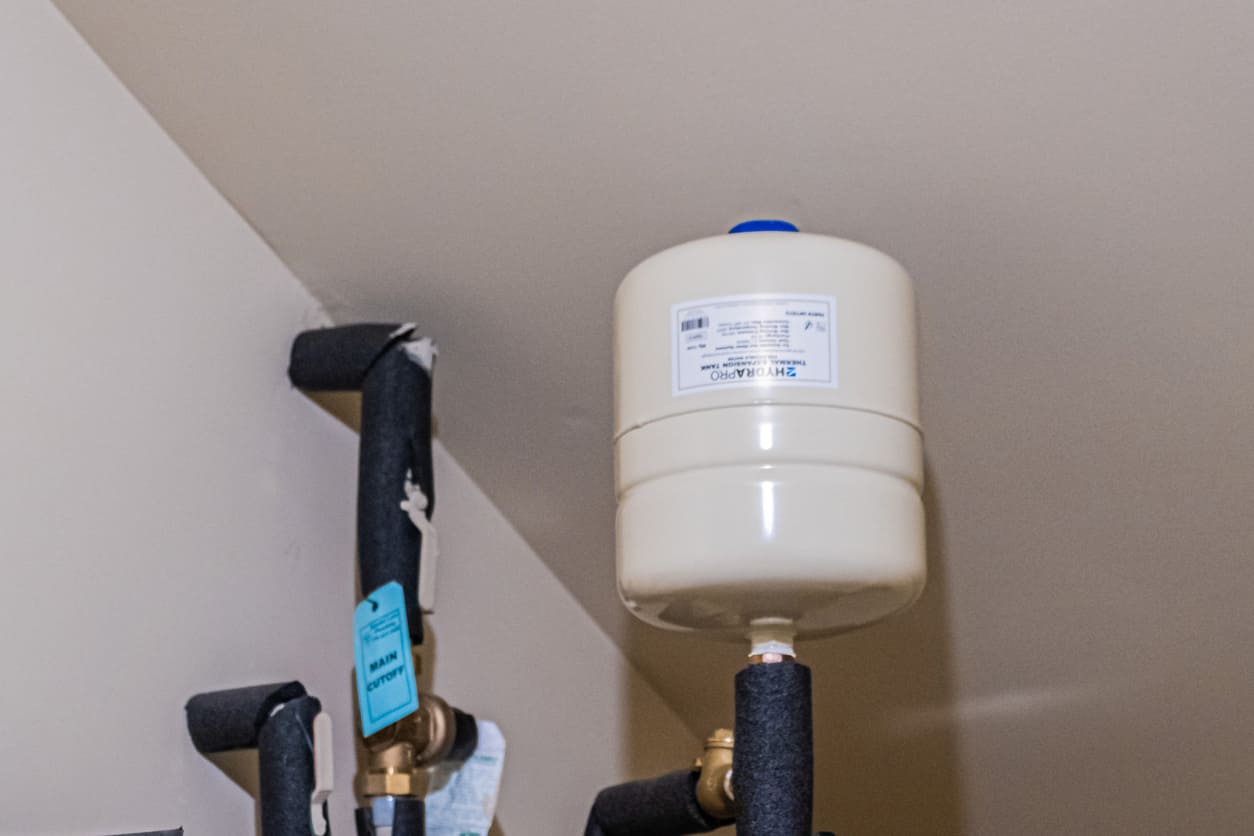
Hot water creates pressure. When water heats up in your system, it expands and needs somewhere to go. Without an expansion tank, that pressure can damage pipes, fixtures, and your water heater itself. Expansion tanks are small metal cylinders - they look like mini propane tanks mounted near your water heater. Their job is simple: absorb the extra pressure when water heats up and expands. Skip this step, and you're setting up your plumbing for problems.
Here's what matters for Forney homeowners: if your system has backflow preventers or pressure-reducing valves, you need an expansion tank. These devices create what plumbers call a "closed system" - water flows in but can't flow back out when it expands.
Local codes vary across our area. Cities like Frisco, McKinney, Little Elm, and Prosper require pressure-reducing valves by code. But requirements aren't uniform - only about 30% of Plano homes have them, and less than 10% in Allen.
The bottom line: knowing whether your Forney home needs an expansion tank protects you from surprise repairs and water damage. This guide walks you through the warning signs, explains when replacement makes sense, and covers what you can expect to pay.
Most homeowners call us when something's already wrong - a leaking relief valve, weird noises, or water pressure that won't stay consistent. We'll help you spot these issues before they become expensive problems.
How Expansion Tanks Work in Closed Plumbing Systems
Your plumbing system becomes "closed" when certain devices get installed - check valves, backflow preventers, or pressure-reducing valves (PRVs). These let water flow into your home but stop it from flowing back out. That's when thermal expansion becomes a problem.
Here's what happens: water heated from 90°F to 140°F in a standard 40-gallon water heater expands by almost half a gallon. In an open system, that extra water can flow back toward the street. In a closed system, it has nowhere to go. Pressure builds throughout your entire plumbing network.
Expansion tanks solve this through smart engineering. Inside each tank sits a rubber bladder or diaphragm that creates two chambers - one for water, one for air. When your water heater creates thermal expansion, the extra water pushes into the tank and compresses the air cushion. That compressed air absorbs the pressure spike before it can damage your pipes.
Think of it like a shock absorber for your plumbing system.
Modern codes require addressing thermal expansion in closed systems. Skip this step and you'll face:
- Leaking temperature and pressure relief valves
- Internal water heater damage
- Shorter appliance lifespans
- Emergency repair calls
The expansion tank acts as your system's pressure regulator. It handles the natural physics of heated water so your pipes and fixtures don't have to.
Warning Signs You Need an Expansion Tank
Your plumbing system gives you clear signals when it needs help managing water pressure. Catch these early, and you'll avoid expensive emergency calls.
Temperature and pressure relief valve keeps discharging - This is the most common sign homeowners notice. That valve on your water heater isn't supposed to drip constantly - it's your system's safety release when pressure gets too high.
Water pressure goes up and down - Hot water pressure that fluctuates while you're using it signals trouble. You'll notice it most in the shower - water flow that's strong one minute and weak the next.
Banging or knocking sounds from your water heater - These noises happen when your water heater struggles to manage expanding water. The sounds usually get worse over time if you don't address the pressure issue.
Other warning signs to watch for:
- Mineral buildup around faucets and fixtures
- Small leaks that keep coming back throughout your home
- Water heater that seems to work harder than it used to
Here's what's at stake: without proper pressure management, thermal expansion can eventually cause your water heater tank to fail. Plus, many manufacturers will void your warranty if you have a closed system without an expansion tank.
Notice any of these issues in your Forney home? Call Swift Plumbing at 214-973-0457 - we can assess your system and determine if you need expansion tank repair or replacement.
When to Repair vs Replace Your Water Heater
Age drives the repair-or-replace decision. Units under 6 years old make financial sense to repair when fixes cost less than 50% of replacement. Older systems approaching their expected lifespan often warrant replacement.
Expected Lifespans:
- Tank water heaters: 8-12 years
- Electric models: 10-15 years
- Tankless systems: 20+ years
Choose Repair When:
- Minor issues like thermostat failures, heating element problems, or sediment buildup
- Repair costs stay between $100-$400
- Your unit hasn't reached the halfway point of its expected lifespan
- Annual maintenance like tank flushing can extend life by several years
Replace Immediately If:
- Tank is leaking (non-repairable)
- Visible rust or corrosion on the tank
- Repair costs exceed half the price of new unit
- Energy bills have jumped unexpectedly
- You've made multiple repairs within a year
Tankless Upgrade Considerations: Tankless systems cost more upfront but deliver 20-30 years of service with potential annual energy savings around $100 for gas models.
Talk to a real plumber today: 214-973-0457
Professional assessment determines which option delivers the best value for your specific situation.
Don't Wait - Water Heater Problems Get Worse
Your water heater won't fix itself. What starts as lukewarm showers quickly becomes no hot water at all.
The repair-or-replace decision comes down to age and cost. Units under 6 years old usually make sense to repair, especially when the fix costs less than half of replacement. Older systems approaching 8-12 years often need replacement, particularly with tank leaks or repeated failures.
Regular maintenance adds years to any water heater's life. Annual flushing removes sediment buildup. Replacing anode rods every 3-5 years prevents tank corrosion. Tankless units last 20+ years but need consistent descaling.
Most Forney water heater problems have straightforward solutions. Pilot light issues, heating element failures, and thermostat problems often cost a few hundred dollars to fix. Tank leaks and severe corrosion require replacement.
Ready to get your hot water back? Call 214-973-0457 for clear pricing before we start.
Serving Forney and surrounding East Dallas suburbs with honest, upfront water heater repair and replacement services.
Quality workmanship done right the first time

FAQs about Water Heater Repairs
How quickly should a landlord address a lack of hot water in Texas?
In Texas, landlords are required to make repairs within a reasonable timeframe after receiving notice from tenants. For essential utilities like hot water, this typically means within 3 to 7 days, though emergency situations may require faster action.
Who should I contact if my water heater isn't functioning?
For water heater issues, it's best to call a licensed plumber. They have the expertise to diagnose and repair various problems with both tank and tankless water heaters.
What are the first steps to take when my hot water stops working?
If your hot water stops working, first ensure the power is off to the unit. For electric heaters, check if the circuit breaker has tripped. For gas heaters, verify the pilot light is lit. If these simple checks don't resolve the issue, it's time to call a professional.
How long do water heaters typically last in North Texas?
In North Texas, standard water heaters usually last about 6 to 8 years due to hard water and constant use. However, professional-grade water heaters installed by experienced plumbers can last up to 12 years or more with proper maintenance.
When should I consider replacing my water heater instead of repairing it?
Consider replacement if your water heater is over 8-12 years old, shows signs of tank corrosion, or if repair costs exceed half the price of a new unit. Also, if you've made multiple repairs within a year or notice unexpectedly high energy bills, replacement might be more cost-effective in the long run.